Stanford University · Political Science

Research on Political Order, Violence, and the Limits of State Power.

I study how political order is created, sustained, and transformed when democratic institutions and state authority are weak, contested, or under threat.

Learn more about my research →
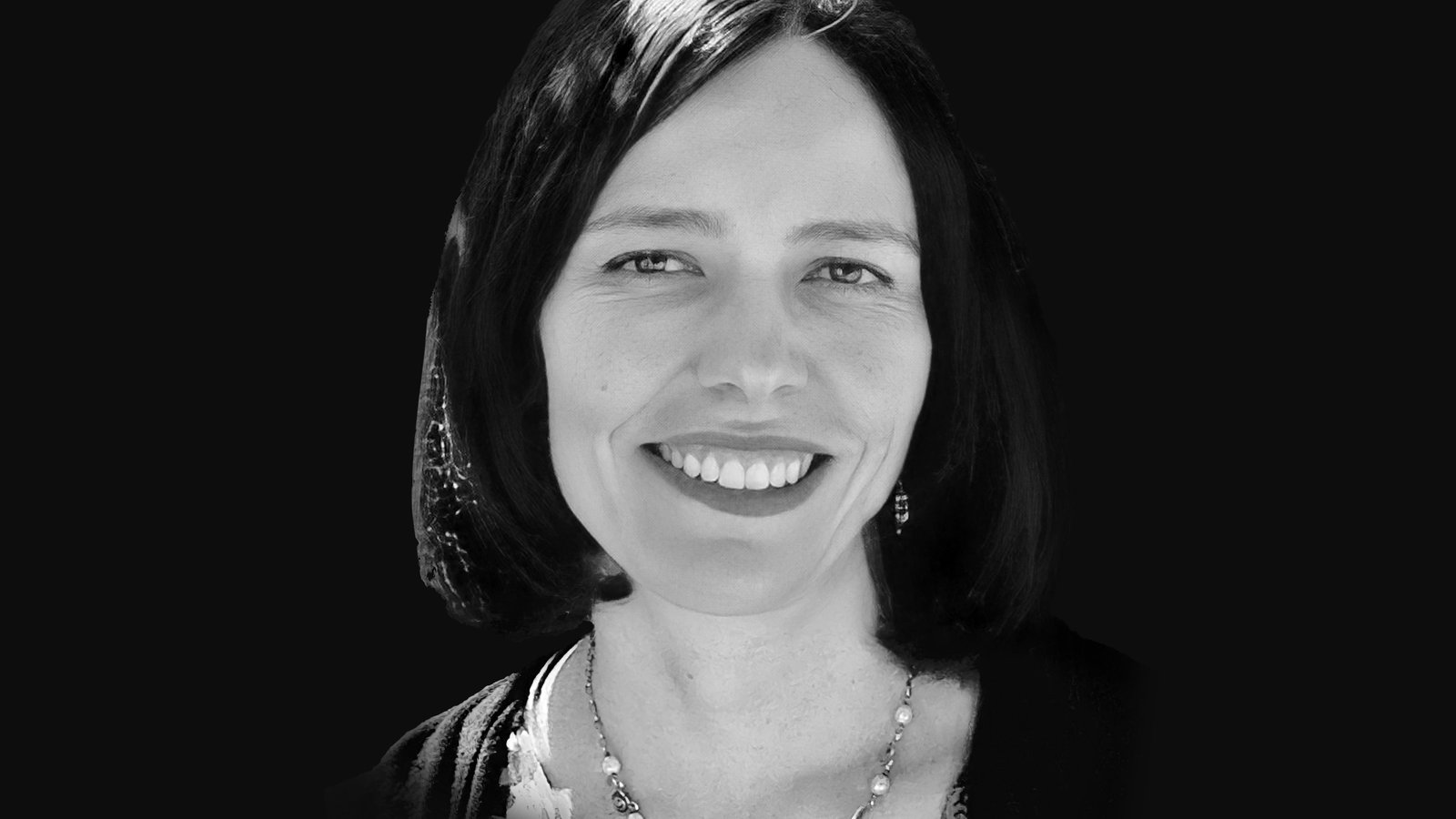
Beatriz Magaloni
Books
  • Voting for AutocracyCambridge University Press, 2006
  • The Political Logic of Poverty ReliefCambridge University Press, 2016
View awards & honors →
Education
  • Ph.D., Political ScienceDuke University
  • Law DegreeITAM, Mexico City
Download CV →

Political Order, Democracy, and Coercion.

I am the Graham H. Stuart Professor of International Relations and Professor of Political Science at Stanford University, and a Senior Fellow at the Freeman Spogli Institute for International Studies.

I am the founding Director of the Poverty, Violence, and Governance Lab and Co-Director of the Democracy Action Lab.

I am a political scientist who studies political order, democracy, and coercion. My research examines how political authority is constructed and sustained, how states and non-state actors exercise coercive power, and how citizens respond when democratic institutions fail to provide security or constrain the exercise of power.

My earlier work focused on authoritarianism, elections, and distributive politics. More recently, I have studied criminal governance, policing and state coercion, and the ways violence and insecurity reshape democratic politics.

Across these areas, I am interested in a common set of theoretical problems: How is political order sustained? What role does coercion play in maintaining it? Why do citizens sometimes consent to institutions that restrict their rights? And under what conditions does insecurity weaken citizens' commitment to democratic institutions and constraints on executive power?

My research combines comparative analysis with causal inference, experiments, original data collection, and long-term field research, primarily in Latin America.

01

Authoritarianism and Political Order

Why do authoritarian regimes survive, and what role do elections play in sustaining authoritarian rule?

My early research examined the political foundations of durable authoritarian regimes. In Voting for Autocracy, I developed an account of how dominant parties use elections, economic performance, distributive politics, and institutional arrangements to sustain political support—and of the conditions under which these systems eventually unravel.

Related work examines authoritarian power-sharing, electoral fraud, opposition coordination, and the conditions under which elections contribute to authoritarian stability or political liberalization.

02

Criminal Governance and Political Order

What forms of political order emerge when states do not monopolize coercion?

My research examines how criminal organizations govern territories and populations, regulate behavior, extract resources, and compete or collaborate with state institutions.

Drawing particularly on research in Brazil and Mexico, I study criminal organizations not simply as perpetrators of violence but as political actors capable of constructing coercive forms of social order. This work examines variation in criminal governance and the relationships that emerge among armed actors, state institutions, and the populations they govern.

03

Policing and State Coercion

How do democratic states exercise coercive power, and under what conditions is that power constrained?

I study police violence, torture, militarized security, and the institutional organization of state coercion. This research examines variation in how states deploy coercive force, the political and institutional conditions that constrain or enable violence by state agents, and the consequences of coercive practices for citizens’ relationships with the state.

A central theoretical concern is the tension between the state’s responsibility to establish order and the institutional constraints on coercion that distinguish democratic government from more authoritarian forms of rule.

04

Democracy and Coercion

My current research brings together my longstanding work on authoritarianism with my research on violence, policing, and criminal governance.

I study how insecurity transforms citizens’ relationship to democracy. Under conditions of crime and violence, citizens may become willing to accept restrictions on civil liberties, due process, judicial independence, and institutional checks on executive authority in exchange for promises of order.

This research investigates when citizens defend democratic constraints despite insecurity, when they become willing to sacrifice those constraints, and how political leaders mobilize fear, perceptions of threat, and demands for security to expand coercive authority.

More broadly, this work examines a fundamental tension within democratic politics: citizens expect democratic states both to constrain coercive power and to exercise sufficient coercive capacity to maintain political order.

These questions form the basis of my current book project on democracy and coercion.

05

Indigenous Autonomy and Local Political Order

A related strand of my research examines political order outside conventional institutions of representative democracy.

My work on indigenous communities in Mexico and Colombia studies communal governance, political autonomy, control over public resources, and alternative institutions of representation and accountability. It asks how distinct institutional arrangements shape political participation, collective decision-making, and relations between communities and the state.


Field research and scholarship across Latin America.

13,000+
Citations
49
h-index
82
i10-index
16
Projects
Criminal Governance · Policing · Migration · Youth · Gender
Sixteen years of field research across Latin America — from Rio de Janeiro to Oaxaca, Zapopan and beyond.
Browse all projects →

Five seminars, plus the lab and the field.

My teaching takes place in the classroom, the lab, and the field. In the lab I bring together graduate and undergraduate students who take part in sponsored research projects, learning to tackle challenging real-world problems — and I take students to do fieldwork in Guatemala, Brazil, and Mexico.

  1. 01Theories of Comparative Politics
  2. 02Poverty and Governance
  3. 03Latin American Politics
  4. 04Authoritarian Regimes
  5. 05The Logics of Violence

International prizes and honors.

View all awards →

Coverage, interviews, and public events.

View all news →
16
News items
Announcements · Press Coverage · Podcasts
Media coverage, awards, and public events spanning my research on policing, violence, and governance across Latin America.
Browse all coverage →

Funders, sponsors, and field partners.

My research is made possible by funders, institutional sponsors, and the community organizations and NGOs that collaborate with me in the field. Click any logo for details.